

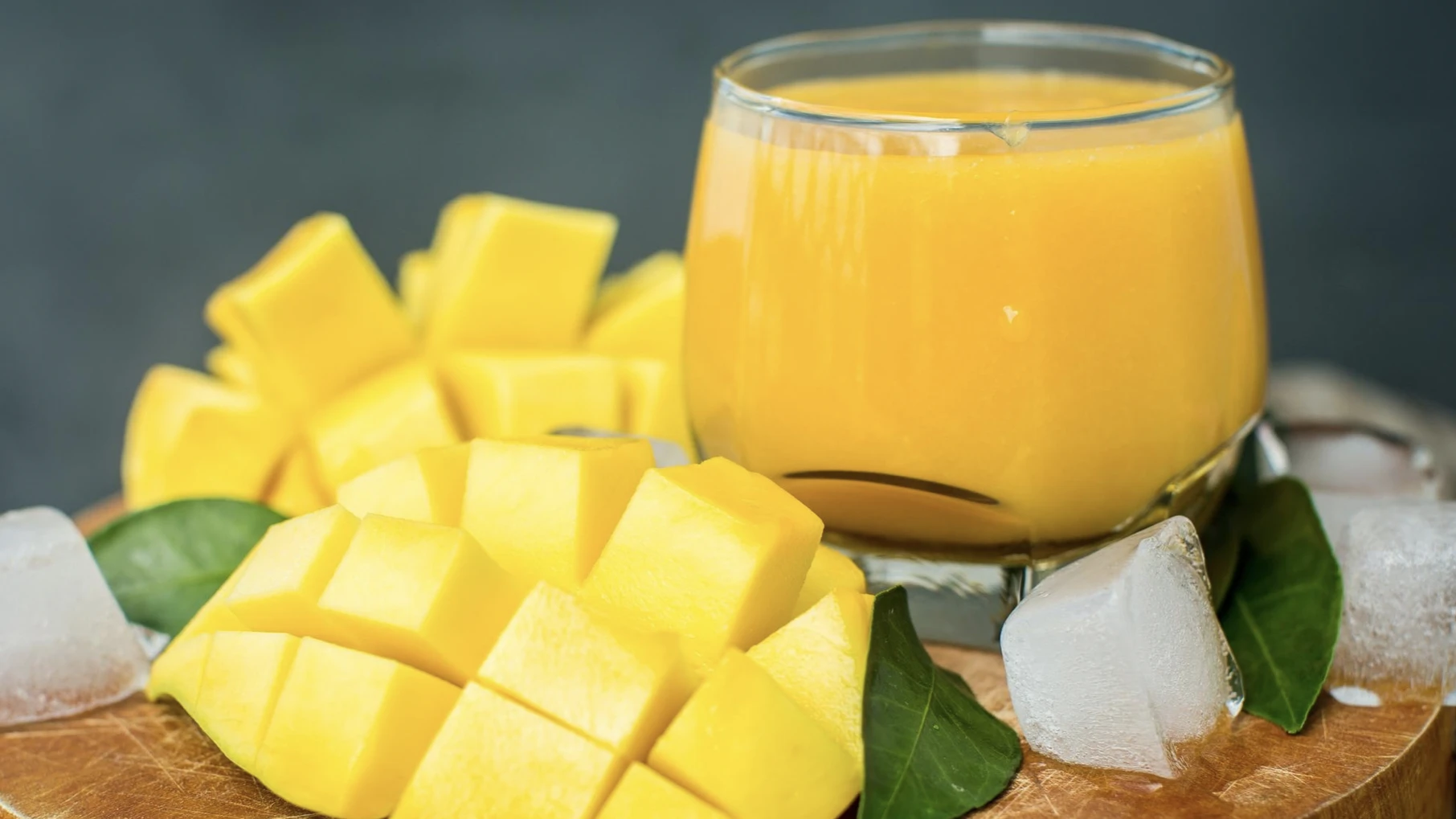
In short: Seasonal fruit is preserved four ways: frozen whole, as purée, as confit or dried. Purée and confit are the most useful — they become fillings in winter without losing flavour, and they cost noticeably less than bought equivalents.
Why bother
Summer is when fresh fruit and berries are at their best, and also when there is a serious surplus of them. Putting some aside means you can keep making good desserts through the winter and bring down the cost of your pastries and cakes at the same time.
Freezing whole
Spread the berries in a single layer on a tray and freeze, then transfer to bags. Frozen in a mass they fuse into a block and weep when thawed; frozen loose they stay separate.
Purée
The most versatile format. Blend, strain and freeze in portions. Purée goes into mousse, confit and coulis alike, takes up little space and needs no thawing of whole fruit.
Confit
Fruit cooked with sugar and set with pectin, frozen as discs ready to drop into a cake. This is the format that saves the most time later, because the work is already done.
Drying
Useful for decoration and for infusions rather than fillings. Dried fruit keeps at room temperature and takes no freezer space, but the flavour is noticeably changed by the heat.
Frequently asked questions
How do I freeze berries properly
Loose on a tray first, then into bags. Frozen in a mass they clump and weep on thawing.
How long does fruit purée keep
Up to a year frozen in portions; a few days in the fridge.
Which method is most useful
Purée: compact, goes into mousse, confit and coulis, and needs no thawing of whole fruit.