

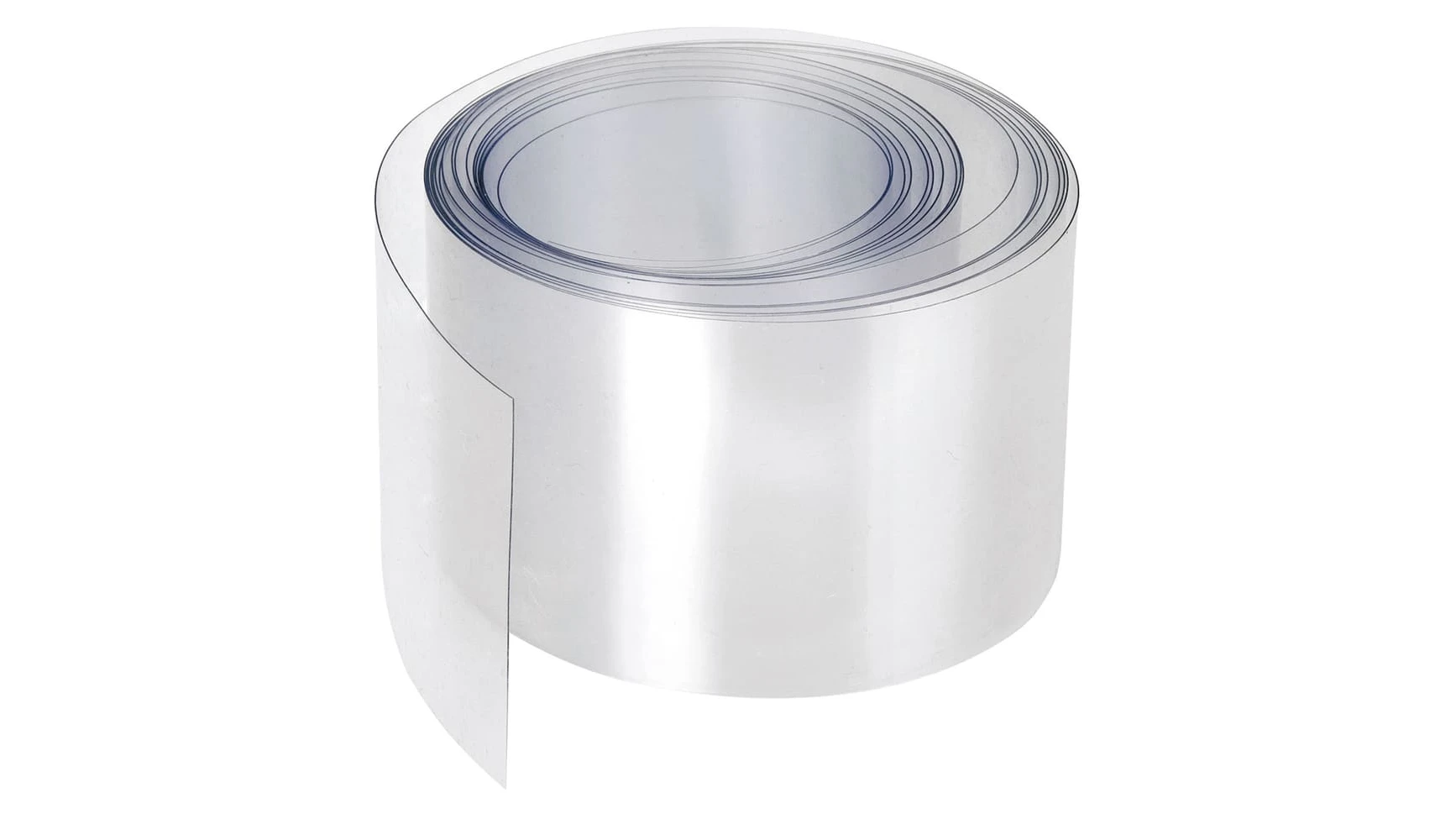
In short: Acetate film gives mousse cakes and pastries clean, glossy sides, keeps fruit fillings from touching metal and serves as a base for chocolate decoration. It must never go in the oven.
What it is for
The main job of acetate film is a clean, even finish. With it you get perfectly straight sides on cakes and pastries. It also helps hold the shape and texture of an assembly and protects it from dust, moisture and stray odours.
It is widely used for individual desserts too: layered pastries look striking through clear film, which shows off every layer.
Chocolate decoration
Acetate is the standard base for chocolate work. Spread tempered chocolate over the film, level it and let it set — the sheet peels away cleanly and leaves a glossy surface that parchment cannot match.
Assembling in a ring
Line the inside of the ring before you build. Wet the ring lightly so the film clings to it, cut the strip with a small overlap and hold the join with a paper clip on the outside.
For rings with sharp corners, cut the strip into separate pieces and fix one to each side rather than fighting a single strip around the corners.
Practical notes
- Do not reuse a collar: creases from the first use show on the side of the next cake.
- It cannot be used in the oven — this is a material for cold assembly, freezing and storage.
- If you have none, siliconised baking paper or a stiff plastic document sleeve will do at a pinch.
- Match the height and thickness to the job: mousse cakes need a tall collar, individual pastries a shorter, thinner one.
Frequently asked questions
What can replace an acetate collar
Siliconised baking paper or a stiff plastic sleeve. Plain parchment will not do — it softens and marks the side of the dessert.
Can a collar be reused
Not advisable: creases remain after the first use and the side comes out uneven.
Is acetate film oven-safe
No. It is strictly for cold assembly, freezing and storage.