

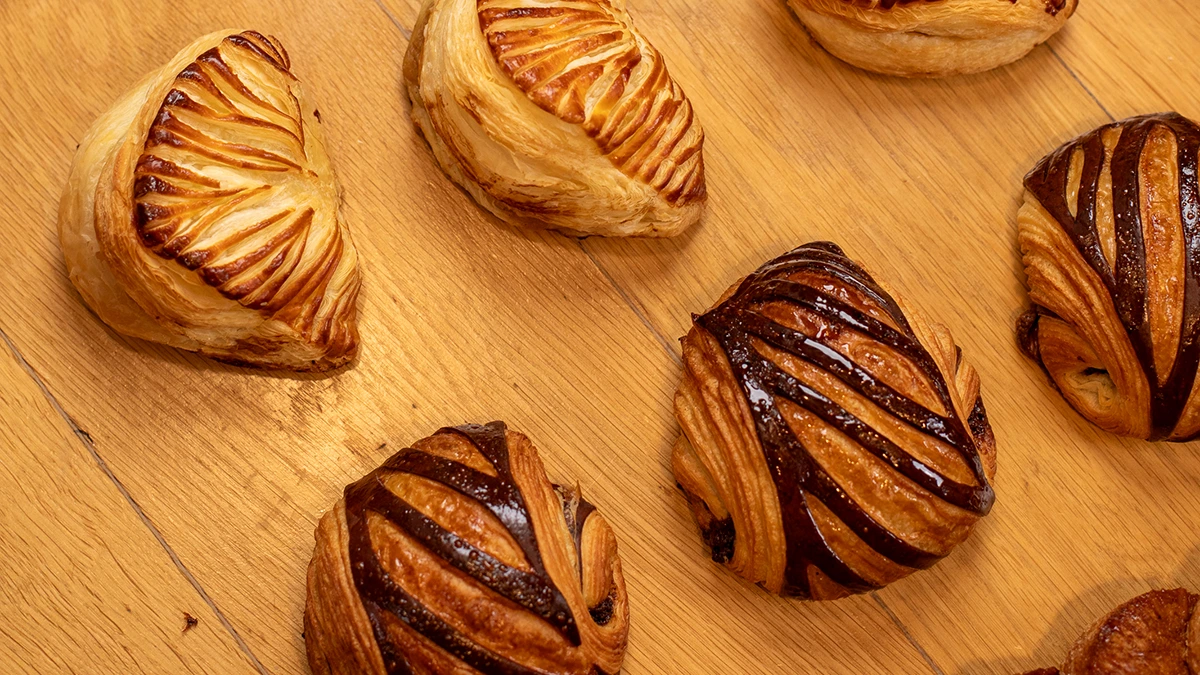
In short: Baking for your household is about regularity rather than complexity. Master a handful of base recipes to the point of confident repetition and organise the process in your own kitchen, and baking stops being an all-day event.
What it actually means
Baking and dessert-making is a whole world full of creativity and discovery. Being the person who bakes for a family means more than being able to cook well — it means sharing that regularly, which is a different skill from making one impressive cake.
Start with what repeats
Choose recipes you will make often: a simple sponge, shortcrust pastry and one reliable frosting. Almost everything else is built from those three, and knowing them cold is worth more than a wide repertoire you execute uncertainly.
Split the work
The reason baking swallows a weekend is that people try to do it in one sitting. Bake the sponge one evening, make the filling the next, assemble on the day. Each stage is thirty minutes rather than six hours.
Keep a freezer stock
Sponge layers, shortcrust blanks and fruit purée all freeze well. With those in the freezer, a dessert becomes an assembly job rather than a project.
Equipment
Scales, a hand mixer and an oven cover almost the entire home repertoire. Nothing on this path requires professional equipment.
Frequently asked questions
Which recipes should I learn first
The ones you will repeat: a simple sponge, shortcrust and one reliable frosting. Nearly everything else builds on them.
How do I find time to bake
Split it across days: dough and components in advance, assembly on the day. Then baking never occupies a whole one.
Do I need special equipment
No. Scales, a hand mixer and an oven cover the home repertoire.