

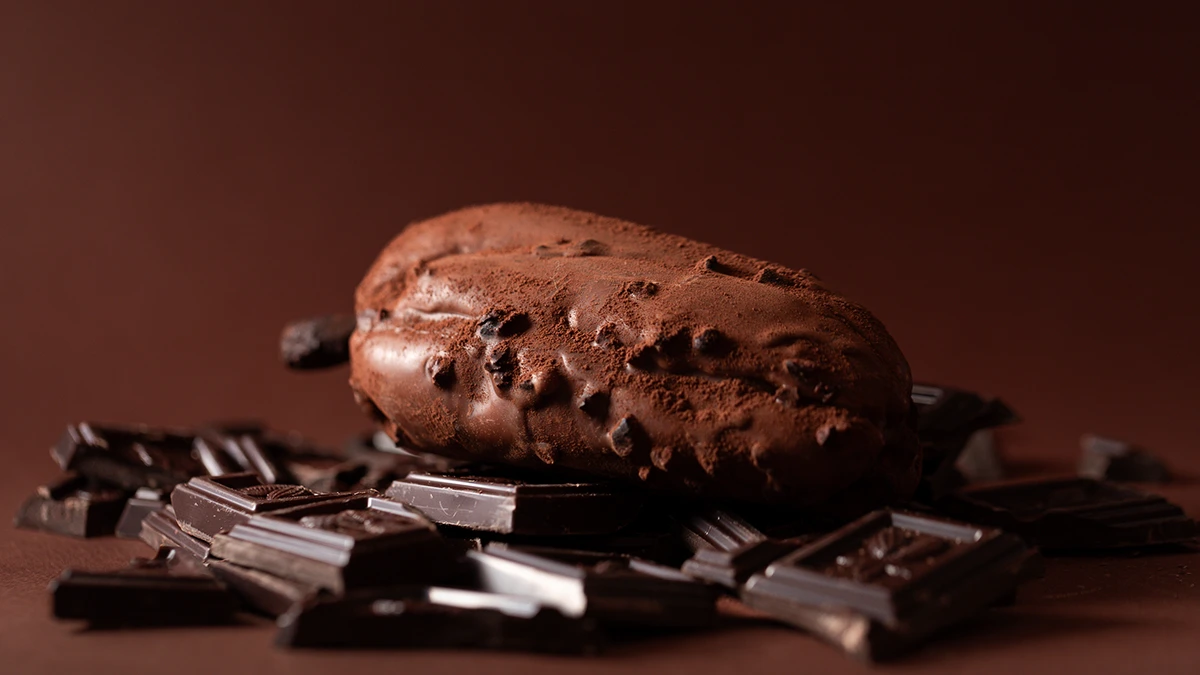
In short: The defining directions are restraint in decoration, reduced sugar, local seasonal fruit and reworked classics. Elaborate multi-coloured finishes have given way to clean form and a flavour you can name.
A field that keeps moving
Pastry is a constantly developing field where new directions and original formulations appear every year, and it is usually possible to name the main ones well before the year is out.
Restraint in decoration
Mirror glaze in three colours and elaborate sugar work have stopped being the marker of quality. Matte finishes, clean geometry and visible ingredients read as more current — and, incidentally, are harder to fake.
Less sugar
Not sugar-free, but noticeably less sweet. The point is that the fruit, the chocolate or the nut is supposed to be the thing you taste, and sugar past a certain level erases all of them equally.
Local and seasonal
Local berries in season rather than imported fruit year round. Partly cost, partly flavour, and partly that a dessert built around what is actually ripe has a reason to exist in that month.
Reworked classics
Familiar desserts rebuilt with modern technique: the same flavour, a cleaner structure and better balance. This is the safest direction commercially, because the customer already knows what they are ordering.
Should you follow trends
They help a counter and they help on social media. But base technique outlasts all of them, and a pastry chef who has that can execute any trend that comes along.
Frequently asked questions
What desserts are current now
Visually restrained and clearly flavoured: tarts, cheesecakes, reworked classics without overloaded decoration.
Is mirror glaze going out of fashion
It has stopped being obligatory. Matte finishes and velvet spray now appear more often.
Should I chase trends
They help commercially, but base technique matters more — it does not go out of date.